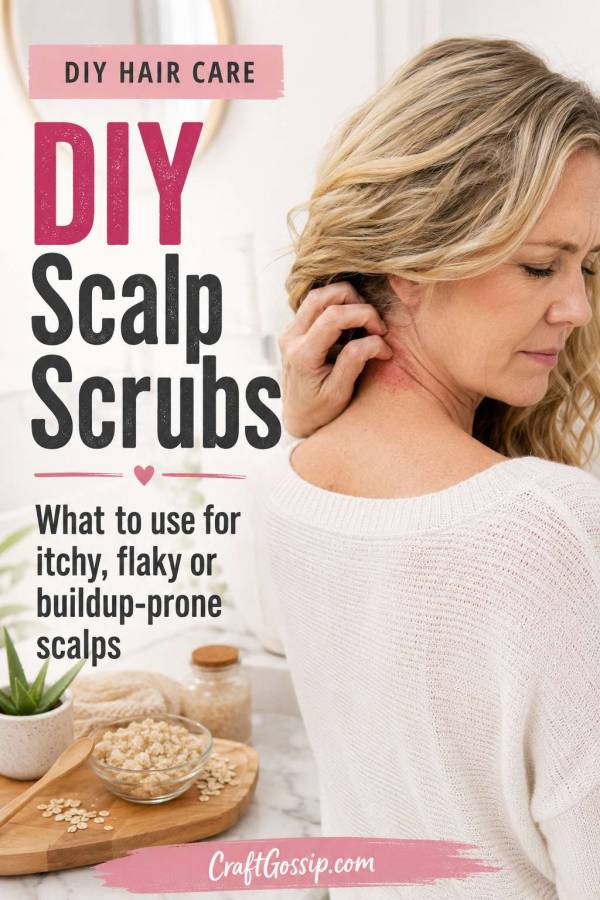
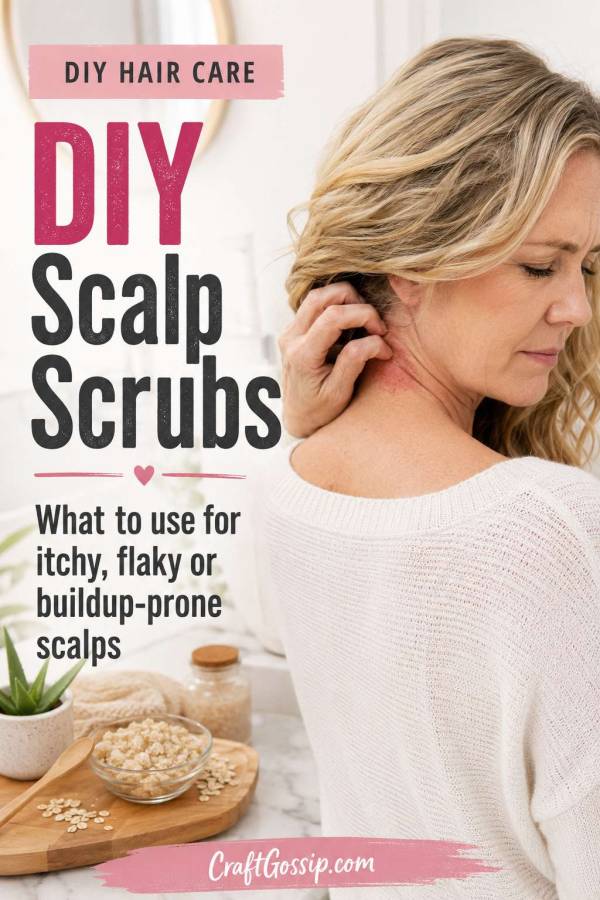
There are beauty lessons you learn through careful research, and then there are those you learn because you rubbed Deep Heat far too close to your hairline while trying to stop a headache.
Mine was definitely the second kind.
I had been using muscle cream around the back of my neck during a particularly unpleasant headache. Some of it must have reached the lower edge of my scalp because, not long afterwards, the skin along the back of my hairline began itching—and then simply refused to stop.
Naturally, my first thought was to scrub it.
An itchy, flaky scalp must need exfoliating, right?
Unfortunately, not always.
There is an important difference between a scalp covered in dry shampoo and styling-product residue and a scalp that is irritated by something it has come into contact with. Scrubbing can help with ordinary buildup, but applying sugar, salt or essential oils to already inflamed skin can make the situation considerably worse.
That includes rosemary oil. Yes, rosemary appears in an enormous number of scalp oils, shampoos and hair-growth products, and there is some research behind its popularity. However, it is still an essential oil and can cause irritation or allergic contact dermatitis in some people. It should never be applied undiluted.
So, before we start enthusiastically raiding the pantry, let us work out whether your scalp genuinely needs exfoliating—or simply needs to be left alone.
What Does a Scalp Scrub Do?
A scalp scrub helps loosen and remove material sitting on the skin beneath your hair, including:
- Dead skin cells
- Excess oil and sebum
- Dry shampoo residue
- Hairspray, mousse and styling-product buildup
- Sweat and general grime
- Loose flakes caused by ordinary dryness
Physical scalp scrubs use small particles such as fine sugar or powdered oatmeal to lift away buildup manually.
Chemical scalp exfoliants use ingredients such as salicylic, glycolic or lactic acid to loosen dead skin without grainy particles. These can sometimes be easier to rinse from thick hair, although they can still irritate sensitive skin.
Scalp exfoliation is not essential for everyone. Hairstory recommends choosing the method and frequency according to scalp type and product use, while also warning that overenthusiastic scrubbing can abrade the scalp and damage fragile hair.
Is Your Scalp Dirty, Dry or Irritated?
A scalp with product buildup may feel greasy, coated or heavy. Hair can look flat soon after washing, and you may notice waxy residue around the roots.
An ordinarily dry scalp may feel tight and release small, dry flakes without much redness or pain.
An irritated scalp can feel:
- Hot or tender
- Persistently itchy
- Red or swollen
- Sore when touched
- Raw or burning
- Cracked, blistered or weeping
- Much worse in one area where a product was applied
Do not use a scalp scrub over skin that is red, inflamed, scratched, blistered, sunburnt or reacting to a new hair, skincare or muscle product.
You should also avoid exfoliating over an active eczema or psoriasis flare, scalp acne, infection, ringworm, open sores or suspected head lice.
In my case, because the itching began exactly where the Deep Heat reached my hairline, I would not put rosemary oil—or any of these scrubs—onto that irritated patch while it is flaring.
The rosemary recipe below is intended for an otherwise healthy scalp with ordinary buildup. It is not a treatment for a chemical reaction or unexplained persistent itching.
Why Is Rosemary Oil Used in Scalp Products?
Rosemary essential oil has become one of the most recognisable ingredients in scalp-care products. You will find it in commercial hair oils, scalp serums, shampoos and pre-wash treatments, often alongside mint, jojoba or castor oil.
Its reputation largely comes from a small randomised study involving 100 people with androgenetic alopecia. Participants used either rosemary oil or 2% minoxidil for six months. Both groups had increased hair counts at six months, although neither showed a significant improvement after only three months.
That study is interesting, but it does not prove that adding a few drops of rosemary oil to a sugar scrub will make everyone’s hair grow. It looked at a particular type of hair loss, used rosemary oil consistently for six months and did not test a homemade exfoliating scrub. Scalp itching also increased from baseline in both study groups.
In other words, rosemary oil is promising enough to explain why it appears in so many products, but it is not magic salad dressing for your follicles.
It may be a useful optional ingredient in a properly diluted scalp treatment. It should not be used neat, and it should not be applied to actively irritated skin.
DIY Rosemary Oil and Brown Sugar Scalp Scrub
This is the recipe readers are most likely to save because it combines gentle physical exfoliation with an ingredient they already recognise from commercial scalp products.
It is best suited to an otherwise healthy scalp with mild product buildup or oily roots.
You Will Need
- 1 tablespoon very fine brown sugar
- 2 tablespoons fragrance-free conditioner
- 1 teaspoon jojoba oil
- 1 drop rosemary essential oil
One drop may not sound terribly exciting, especially when social media recipes tend to measure essential oils with the enthusiasm of someone seasoning roast potatoes. However, more is not better when you are applying an essential oil to skin.
Instructions
Place the brown sugar, conditioner and jojoba oil in a small bowl.
Add one drop of rosemary essential oil and stir thoroughly so that the essential oil is evenly dispersed throughout the mixture.
Wet your hair and separate it into several sections.
Apply small amounts directly to the scalp, avoiding broken, red or irritated areas.
Massage gently with the pads of your fingers for approximately 30 to 60 seconds. Do not use your fingernails.
Leave the mixture on for no longer than three to five minutes.
Rinse thoroughly, then shampoo and condition as usual.
Make this treatment fresh each time rather than storing leftovers.
Important Rosemary Oil Safety
Patch-test the diluted mixture on a small area of unaffected skin before using it across your scalp.
Do not apply rosemary essential oil directly from the bottle. Undiluted essential oils can irritate the skin and may contribute to sensitisation or allergic contact dermatitis.
Skip this recipe if you:
- Have an actively itchy, inflamed or painful scalp
- Have reacted to fragrances or essential oils before
- Have broken or scratched skin
- Are experiencing unexplained hair loss
- Have eczema, psoriasis or dermatitis affecting the scalp
- Notice burning, swelling or increased itching during the patch test
Rinse immediately if the mixture stings or burns.
For a separate rosemary hair treatment aimed at the lengths rather than exfoliating the scalp, CraftBits also has an older rosemary hot oil treatment. That recipe currently allows either rosemary leaves or one teaspoon of rosemary essential oil in half a cup of olive oil. I would revise the essential-oil amount downward before promoting it heavily, because essential oils should be used conservatively and never neat.
Gentle Brown Sugar Scalp Scrub for Normal Scalps
This simple DIY scalp scrub is a good starting point when you want to remove light styling-product residue without introducing essential oils.
You Will Need
- 1 tablespoon fine brown sugar
- 2 tablespoons fragrance-free conditioner
- 1 teaspoon jojoba oil
Instructions
Mix the ingredients until evenly combined.
Wet your hair and create several partings with your fingers.
Apply a little scrub along each parting.
Massage very gently for approximately one minute.
Rinse thoroughly, shampoo and condition as normal.
Use this no more than once every one to two weeks initially.
DIY Oat Scalp Scrub for Ordinary Dry Flakes
Finely ground oats create a softer exfoliating texture than coarse sugar, coffee grounds or salt.
This recipe is intended for an ordinarily dry scalp. It should not be used over a red, sore or actively inflamed patch.
You Will Need
- 1 tablespoon plain oats, ground into a fine powder
- 2 tablespoons plain aloe vera gel
- 1 teaspoon jojoba or sweet almond oil
- 1 tablespoon lukewarm water, if required
Instructions
Grind the oats until they resemble flour rather than breakfast cereal.
Combine the powdered oats with the aloe vera gel and oil.
Add a small amount of water if the mixture is too thick to spread.
Apply it to a damp scalp.
Massage lightly for 30 to 60 seconds, then rinse extremely well.
Follow with a gentle shampoo.
Use a drain strainer. Oatmeal is lovely in a soothing bath-and-body recipe, but less charming when it sets up permanent residence in the plumbing.
DIY Shampoo and Sugar Scrub for Oily Roots
This version combines your usual shampoo with fine sugar to help loosen oil and product residue.
You Will Need
- 1 tablespoon fine white or caster sugar
- 2 tablespoons gentle shampoo
- 1 teaspoon jojoba oil
Instructions
Mix the ingredients immediately before washing your hair.
Apply the mixture to wet roots in small sections.
Massage gently for approximately 30 seconds.
Rinse thoroughly.
Shampoo again only if your hair still feels coated, then condition the lengths and ends.
Do not use this more than once a week. If your scalp feels tight or becomes more oily after treatment, increase the time between scrubs.
DIY Yogurt Scalp Mask with Gentle Lactic Acid
This is more of an exfoliating scalp mask than a scrub, making it useful for people who hate finding sugar grains hiding in their hair three hours later.
Plain yogurt naturally contains lactic acid, although the strength and acidity will not be as predictable as a formulated scalp product.
You Will Need
- 3 tablespoons plain unsweetened yogurt
- 1 teaspoon aloe vera gel
- 1 teaspoon jojoba oil
Instructions
Mix the ingredients until smooth.
Patch-test the mixture before applying it to your scalp.
Spread a thin layer over damp roots.
Leave it for approximately five minutes without allowing it to dry completely.
Rinse with cool or lukewarm water, then wash with a gentle shampoo.
Discard leftovers rather than storing them.
DIY Clarifying Scalp Scrub for Dry Shampoo Buildup
This slightly stronger recipe is designed for the aftermath of several dry-shampoo days, hairspray, root powder or styling wax.
You Will Need
- 1 tablespoon fine brown sugar
- 2 tablespoons clarifying shampoo
- 1 teaspoon aloe vera gel
Instructions
Combine the ingredients just before use.
Apply to a wet scalp and massage very lightly for around 30 seconds.
Rinse thoroughly and condition the middle and ends of your hair.
Use this treatment occasionally rather than weekly. Combining clarifying shampoo with physical exfoliation may be too drying for frequent use.
You may also prefer to use an ordinary clarifying shampoo by itself first. Sometimes the scalp does not need an entire pantry-based intervention. It simply needs us to wash out the fourth consecutive day of dry shampoo.
Coconut Oil and Sugar Scrub for Very Dry Hair
Coconut oil can leave dry hair feeling softer, but it is heavy and will not suit every scalp.
Avoid this recipe if your roots become greasy quickly or if you are prone to scalp acne or oily dandruff.
You Will Need
- 1 tablespoon fine brown sugar
- 1 tablespoon melted coconut oil
- 1 tablespoon fragrance-free conditioner
Instructions
Allow the melted coconut oil to cool until it is comfortably lukewarm.
Mix it with the sugar and conditioner.
Apply sparingly to a damp scalp.
Massage gently for no more than one minute.
Rinse thoroughly and shampoo. You may need to shampoo twice.
Be careful not to spill coconut oil across the shower floor. No beauty treatment is relaxing once the bathroom resembles an ice-skating rink.
What About Apple Cider Vinegar?
Apple cider vinegar is another popular DIY scalp ingredient, particularly for people dealing with oily roots and styling-product residue.
It must be diluted, and it should never be poured onto inflamed, scratched or chemically irritated skin.
Our existing apple cider vinegar scalp scrub for dry, flaky or itchy scalps combines diluted vinegar with sugar, oil and optional essential oils.
For sensitive scalps, I would simplify that recipe by removing the optional tea tree and rosemary oils. I would also change its suggestion that readers add peppermint or lavender to disguise the vinegar smell. Adding yet another fragranced essential oil is not the best solution when sensitivity is already a concern.
Ingredients I Would Avoid in a DIY Scalp Scrub
Coarse Salt
Large salt crystals can scratch the scalp and sting any tiny cuts caused by scratching.
Rough Coffee Grounds
Coffee grounds can be abrasive, difficult to rinse from thick or curly hair and spectacularly messy.
Baking Soda
Baking soda is highly alkaline and may leave the hair rough and the scalp feeling dry or irritated.
Undiluted Apple Cider Vinegar
Full-strength vinegar may sting and further irritate compromised skin.
Lemon Juice
Lemon juice is acidic and can irritate dry, scratched or inflamed skin.
Neat Rosemary Oil
The fact that rosemary oil appears in commercial scalp products does not mean it should be used directly from the bottle.
Commercial products are professionally formulated so the essential oil is dispersed at a controlled concentration. A few neat drops massaged straight into the scalp are not the same thing.
Undiluted Peppermint and Tea Tree Oils
Peppermint and tea tree oils are common in DIY scalp recipes, but they can also cause irritation or allergic contact dermatitis. “Natural” does not automatically mean gentle.
How to Apply a Scalp Scrub Without Tangling Your Hair
Wet your hair unless the recipe specifically says otherwise.
Separate it into several sections so you can reach the scalp without dragging the mixture through the lengths.
Apply small amounts along each parting.
Massage with the soft pads of your fingers using tiny circles.
Do not scratch with your nails and do not scrub harder because the scalp “still feels itchy.” Itching is not an instruction to apply more pressure.
Keep the treatment on the scalp rather than rubbing granular ingredients through your hair. Fine, curly, bleached and damaged hair can become tangled or roughened by physical particles.
Rinse for longer than you think you need to.
A soft silicone scalp brush can be helpful for distributing shampoo over a healthy scalp, but avoid using one over irritated, scratched or inflamed skin.
How Often Should You Exfoliate Your Scalp?
Online advice varies enormously. Some beauty guides recommend exfoliating an oily scalp several times a week, but that may be far too frequent for someone using a physical scrub.
A more cautious starting point is:
- Normal scalp: Once every one to two weeks
- Oily scalp with heavy product use: Up to once weekly
- Dry scalp: Every two weeks or less
- Sensitive scalp: Use a non-grainy treatment occasionally or skip exfoliation
- Inflamed or irritated scalp: Do not exfoliate until the cause has been addressed and the skin has healed
Hairstory warns that scrubbing too frequently or aggressively can abrade the scalp and may encourage increased oil production while the skin attempts to repair itself.
Signs You Are Over-Exfoliating
Stop using scalp scrubs if you notice:
- Increased itching
- Burning or stinging
- Redness
- Tenderness
- Tight, dry skin
- More flaking
- Small sores or scabs
- Increased oiliness after washing
- Hair breakage close to the roots
A freshly washed scalp should feel comfortable. It should not feel as though it has been polished with industrial sandpaper.
When an Itchy Scalp Needs Professional Advice
An itchy scalp can have many possible causes, including contact dermatitis, dandruff, eczema, psoriasis, infection, head lice or a reaction to hair products.
Speak with a pharmacist, GP or dermatologist if the itching:
- Began after exposure to a chemical or topical product
- Persists or continues returning
- Is severe enough to interrupt sleep
- Causes swelling, pain, blisters or weeping skin
- Spreads beyond the original area
- Causes open sores from scratching
- Appears with patchy hair loss
- Shows possible signs of infection
Seek urgent medical help for facial or throat swelling, trouble breathing, widespread hives or another severe allergic reaction.
Because my own itching began where I accidentally applied muscle cream near the back of my scalp, this is one occasion where I would put down the rosemary oil, stop scrubbing and have the area checked if it refuses to settle.
Rosemary oil absolutely deserves a place in this article because it is popular, widely used in commercial scalp products and supported by some early research.
It just needs to be treated like an active, concentrated ingredient rather than a harmless kitchen herb.
Dilute it carefully, patch-test first and save the rosemary scalp scrub for healthy skin with ordinary buildup—not an already angry scalp throwing a full-scale tantrum.