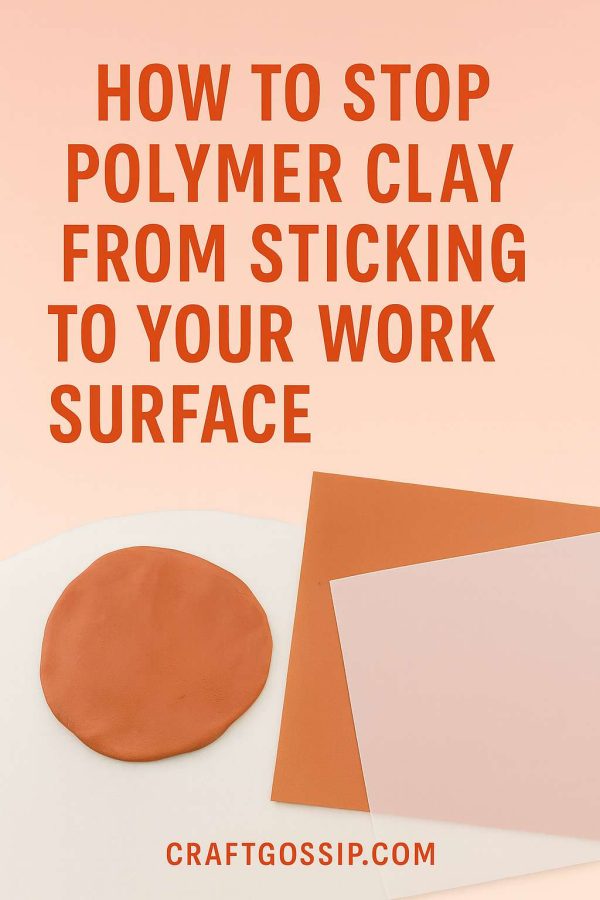
One of the trickiest things when working with polymer clay is keeping it from welding itself to your work surface. We’ve all been there—you’ve rolled out the perfect sheet, only to have it stretch, warp, or tear when you try to lift it. The good news? There are multiple tried-and-true ways to prevent sticking and keep your clay in shape.
Whether you’re sculpting figurines, rolling out canes, or making jewelry pieces, these tips will save you frustration and wasted clay.
Why Polymer Clay Sticks in the First Place
Polymer clay isn’t a true clay—it’s a vinyl-based plastic. That means it can be slightly sticky, especially when:
- The clay is fresh and soft.
- Your work surface is warm (sunlight, heat vents, or even just hand warmth).
- You’ve conditioned it a lot, making it extra pliable.
- You’re working on a porous or textured surface.
Understanding why it sticks helps you choose the right prevention method.
Best Work Surfaces for Polymer Clay
If you want to skip the frustration, start with the right foundation.
- Glass – Smooth and wipeable, but can cause clay to suction tightly. Works well with powders or a thin release barrier.
- Ceramic tile – Popular with clayers because it’s smooth, sturdy, and can go straight into the oven.
- Marble or granite – Stays cool, reducing stickiness, but can be heavy to move.
- Acrylic sheets – Clear, lightweight, and perfect for moving clay around without handling it too much.
Tip: Always keep your surface clean and dust-free. Clay loves to grab onto lint.
Easy Ways to Keep Polymer Clay From Sticking
1. Use a Barrier Sheet
Place a thin sheet between your clay and the surface. Options include:
- Baking parchment paper – Cheap and accessible.
- Wax paper – Adds a slippery barrier.
- Deli sheets or Teflon sheets – Non-stick and reusable.
- Plastic wrap – Doubles as a shaping tool when you want soft rounded edges.
2. Try a Dusting or Release Agent
Sprinkle a tiny amount of cornstarch or talc on your surface before rolling. Brush off excess before baking to avoid residue. Some artists also use a light mist of water.
3. Work on Texture Sheets or Stamps
If you’re planning texture anyway, rolling directly onto a texture sheet or flexible mold can save you the trouble of lifting altogether.
4. Chill Your Clay
Pop your sheet of clay in the fridge for 5–10 minutes. Cooler clay stiffens up, making it easier to lift without stretching.
5. Use the Right Tools to Lift
Instead of peeling clay with your fingers, slide a:
- Tissue blade (super thin, flexible)
- Palette knife
- Razor blade scraper
Hold the blade flat against the surface and slide underneath in one smooth motion.
How to Lift Clay Without Distortion
Even with prevention, sometimes you still need to lift your clay piece. Here’s how to do it without ruining the shape:
- Loosen all sides first. Don’t just lift from one corner. Work your blade or scraper around the edges.
- Use a rolling motion. Instead of pulling straight up, rock your blade gently back and forth to separate.
- Support with a sheet. Place your clay on a flexible plastic sheet or acrylic tile before rolling or cutting. Then you can peel the sheet away instead of peeling the clay up.
- Flip instead of lifting. Place another tile or sheet on top, flip the whole sandwich over, and peel the bottom layer away. The clay stays flat and undistorted.
Troubleshooting Common Problems
- My clay keeps stretching when I lift it.
? Chill it for a few minutes and try the flip method. - It’s leaving residue on my glass surface.
? Wipe down with baby wipes or rubbing alcohol between sessions. - It sticks to parchment too.
? Switch to Teflon sheets or try a light dusting of cornstarch. - Edges keep tearing.
? Condition your clay properly and keep blades sharp.
Final Tips for Frustration-Free Clay Work
- Dedicate one surface just for clay—don’t use your good kitchen cutting board!
- Keep a stack of deli sheets or parchment handy for rolling, cutting, and layering.
- Always have a thin tissue blade on your work table—it’s the polymer clay artist’s best friend.
With these tricks in your toolkit, lifting your polymer clay will be smooth, easy, and drama-free. No more distorted shapes, no more tears—just clean, professional-looking results every time.