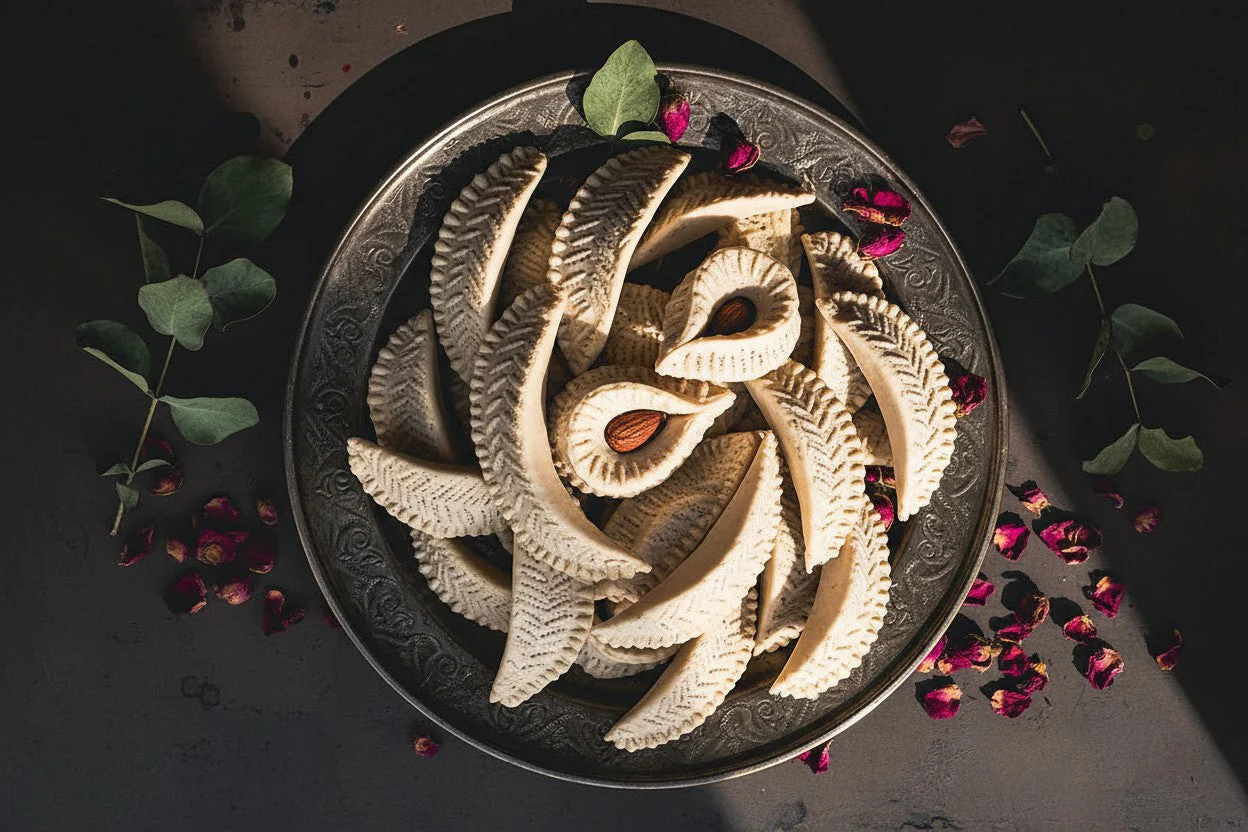
In the quiet hours before dawn during Ramadan, Moroccan kitchens come alive with a ritual as old as the holiday itself. Skilled hands shape delicate crescents of dough, each one curved to mirror the graceful horns of a gazelle—an homage to the elegant creatures that once roamed North Africa’s landscapes. These are kaab el ghazal, and they represent far more than a sweet indulgence.
A Sacred Season of Reflection
Ramadan, the ninth month of the Islamic calendar, is observed by Muslims worldwide as a period of spiritual devotion and self-discipline. For 29 to 30 days, the faithful abstain from food and drink from sunrise to sunset—a practice designed to deepen one’s connection to God, cultivate unwavering self-control, and foster empathy for those who face hunger daily. For those unable to fast, acts of charity and generosity offer an alternative path to spiritual fulfillment.
Yet Ramadan is also a deeply communal celebration. As the sun sets each evening, families gather for iftar—the meal that breaks the fast—while mosques host prayer ceremonies that unite entire neighborhoods in shared devotion.
The Poetry of Kaab el Ghazal
Every culture marks its sacred moments with food, and Morocco is no exception. While Christmas brings spiced cookies and Thanksgiving calls for pumpkin pie, Ramadan—and specifically Eid al-Fitr, the joyous festival marking its conclusion—is celebrated with kaab el ghazal.
The name itself is poetry: in Moroccan Arabic, kaab el ghazal translates to “gazelle’s heel,” though the pastry’s crescent form clearly evokes the animal’s distinctive curved horns. Light as air yet rich in flavor, each pastry is crafted from paper-thin dough enveloping a fragrant filling of ground almonds, perfumed with orange flower water and warmed by cinnamon’s gentle spice.
Heritage in Every Bite
Like much of Moroccan cuisine, kaab el ghazal’s origins are woven from multiple cultural threads—a testament to centuries of migration, trade, and exchange across the Mediterranean. The French colonial period left its mark as well; today, a similar pastry called cornes de gazelles graces Parisian patisseries, a delicious reminder of intertwined histories.
Traditionally enjoyed alongside mint tea or strong coffee, these delicate crescents are often finished with a whisper of powdered sugar or a subtle glaze. Some artisans crimp the edges into decorative ruffles or score intricate patterns into the surface—small flourishes that transform each pastry into edible art. Stored properly in an airtight container, they’ll keep for a week at room temperature, or several months if frozen.
The Sweetness of Tradition
Kaab el ghazal shares the Eid table with other beloved treats: kunafa, with its crisp phyllo crown over silken milk pudding; luqaimat, the Middle Eastern answer to doughnuts; and creamy rice pudding scented with rosewater. But perhaps no food is more central to Ramadan than dates—particularly plump Medjool dates, which break the fast each evening just as they have for centuries. Mentioned more than twenty times in the Quran, dates carry profound spiritual significance alongside their natural sweetness and nourishing properties.
In every kaab el ghazal, in every shared meal, in every act of generosity during Ramadan, there lives a connection to something greater—to heritage, to community, to the divine. These crescent pastries, shaped by patient hands and perfumed with orange blossoms, are more than dessert. They are tradition made tangible, a sweet reminder that the most meaningful celebrations are those we share.